
Welcome to Megalong
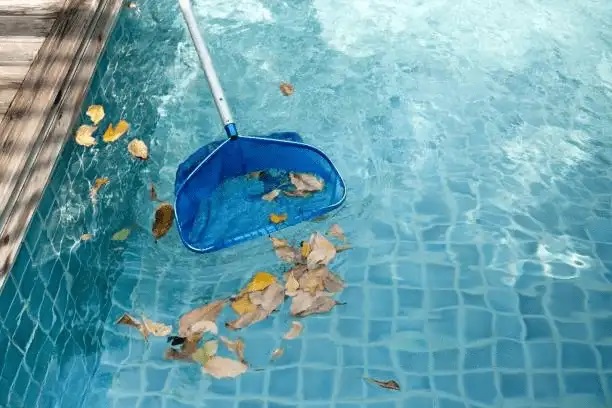
Pool Service: The Untold Key to a Crystal-Clear, Hassle-Free Backyard Escape
If you’ve ever looked at your backyard and felt more stress than serenity, your pool service may be the root of the problem. Pools are supposed to be personal paradises—places to cool off, unwind, and entertain—but when they’re cloudy, green, or malfunctioning, they quickly become a source of frustration. And while many homeowners try to handle pool maintenance on their own or rely on basic service providers, the truth is, without advanced insight and precision care, your pool is only a few degrees away from becoming a liability instead of a luxury.
The real challenge isn’t the pool itself. It’s what most people don’t know about what’s happening below the surface. Chemistry imbalances, microscopic algae growth, subtle filtration failures—all of it snowballs silently. The result? Skyrocketing pool repair costs, un-swimmable water, and damage that drains your wallet and your patience. That’s where professional-level pool service transforms everything. It’s not just cleaning—it’s control, optimization, and total water management.
Why Pool Service is More Than Just Cleaning
The Hidden Layers of Pool Health
Pools may look simple on the surface, but they are complex, dynamic ecosystems. Maintaining them isn’t just about scooping leaves or dumping in chlorine. Water chemistry must be monitored and balanced down to the molecular level. pH, alkalinity, calcium hardness, and sanitizer levels all fluctuate based on usage, weather, and equipment performance. If one factor drifts, it can throw the entire system out of sync—creating scale buildup, cloudy water, or harmful bacteria growth.
An elite-level pool service understands these fluctuations in real time. By anticipating shifts before they happen, pros can take proactive action—adjusting chemicals, optimizing circulation, and ensuring filtration systems operate at peak efficiency. This approach eliminates recurring issues before they appear and helps pool owners avoid the common cycle of fix, fail, repeat.
More Than Just Chlorine and Filters
One of the biggest myths about pool care is that it’s all about chlorine and skimmers. While those are important, the real maintenance strategy involves a much deeper approach. Circulation speed, pump run times, filter backwash schedules, and micron filtration capacity all play vital roles. The best pool technicians adjust these variables seasonally and according to the pool’s location, shade exposure, and usage patterns.
For example, a shaded pool surrounded by palm trees requires a different chemical and skimming strategy than one fully exposed to the sun and used daily by a family. A generic service doesn’t account for this. A real expert tailors the maintenance plan to your pool’s unique environment.
How Pool Service Protects More Than Just Water Quality
Preventing Equipment Failure and Costly Repairs
Mechanical systems like pumps, heaters, and chlorinators often show no visible signs of distress until they fail completely. Regular diagnostic assessments can identify early wear, flow restriction, or air leaks in the plumbing. Left unchecked, these issues burn out motors, clog systems, or lead to expensive emergency service calls.
Skilled technicians don’t just spot problems—they optimize performance. They fine-tune your equipment to extend lifespan, enhance energy efficiency, and reduce strain on parts. Over time, this significantly lowers operating costs and virtually eliminates surprise breakdowns.
Safeguarding Health and Compliance
Improperly maintained pools aren’t just inconvenient—they’re dangerous. Waterborne pathogens like cryptosporidium or giardia can spread in under-sanitized water. These are invisible threats that standard service often overlooks. Professionals with training in pool microbiology ensure your pool isn’t just clean—it’s safe.
Additionally, many cities and HOAs now enforce strict standards for pool chemical storage, safety barriers, and noise levels from filtration equipment. A high-quality pool service stays up to date with these regulations, so your property remains in full compliance without you having to lift a finger.
Questions Pool Owners Ask (and the Smart Answers They Need)
How often should I schedule pool service?
Weekly service is ideal for most residential pools, especially during heavy-use seasons. Consistency is key to preventing chemical imbalances and mechanical strain.
Can I just handle the chemicals myself?
While DIY is possible, improper chemical dosing is a leading cause of long-term damage to liners, plaster, and pool equipment. Experts ensure precision and safety.
Does professional pool service actually save money?
Yes. While there’s an upfront cost, preventing algae blooms, filter clogs, and pump damage saves thousands over the long term. It’s a strategic investment in protection.
What if my pool is saltwater?
No issue. Specialized technicians are trained in saltwater systems and can adjust cell output, monitor salt levels, and maintain balanced water without corrosion risks.
Is robotic cleaning a replacement for service?
Robotic cleaners help but don’t replace comprehensive chemical care, filter inspection, or mechanical diagnostics. They’re tools, not technicians.
Choosing the Right Pool Service: What Sets True Experts Apart
Customized Maintenance Plans
No two pools are the same. A truly skilled pool service provider starts with a full diagnostic of your pool’s systems, layout, and usage patterns. From there, they create a tailored plan that evolves with the seasons. This customized strategy reduces chemical waste, improves water clarity, and maximizes comfort every time you swim.
Transparent Communication and Reporting
Look for services that provide digital reports or service logs after every visit. These summaries include chemical readings, tasks completed, equipment notes, and any recommendations. This transparency empowers homeowners and builds long-term trust.
Integrated Technology
Modern pool services use smart monitoring tools and IoT-based pool automation to remotely track your system’s vitals. From mobile apps that let you adjust temperature and lighting, to real-time chemical alerts, these tools ensure nothing gets missed—even when you’re away from home.
The Future of Pool Service Is Proactive, Not Reactive
Gone are the days of reactive pool maintenance. Today, the best pool service providers don’t wait for things to go wrong—they engineer flawless water environments with the precision of a laboratory. They leverage modern chemistry, data-driven diagnostics, and hands-on expertise to keep every drop of water in perfect balance.
This kind of care transforms the pool experience. It turns a chore into a comfort. It protects your health, safeguards your investment, and ensures your backyard is always ready for the moments that matter most—whether it’s a quiet morning swim or a full-blown weekend pool party.
Take Back Your Time. Reclaim Your Pool.
You didn’t install a pool to manage pH readings or troubleshoot pump noise. You built it for memories, comfort, and beauty. Let the experts handle the complexity so you can enjoy the luxury. With elite-level pool service, you get crystal-clear water, zero stress, and total peace of mind.
Now is the perfect time to take action. Schedule your comprehensive pool evaluation today and discover how proper service can make all the difference. Your best swim is waiting.
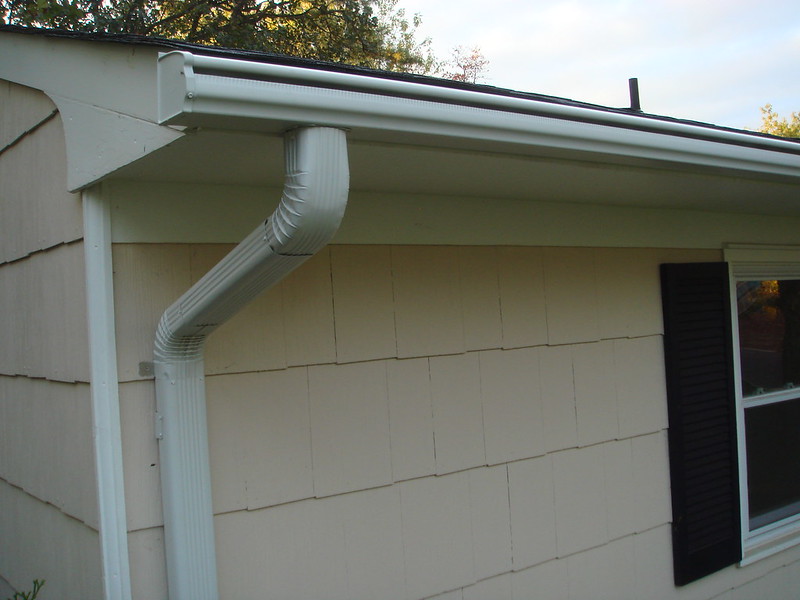
The Importance of Home Gutters: A Comprehensive Guide
Properly functioning home gutters are essential for protecting your property from water damage. While gutters often go unnoticed, their role in directing rainwater away from your home’s foundation, walls, and roof is crucial. This article explores the science behind gutter systems, their benefits, common problems, and tips for maintaining them.
What Are Home Gutters and Why Are They Important?
Home gutters are narrow channels installed along the edge of your roof to collect and redirect rainwater. Without gutters, water can accumulate around your home, leading to foundation erosion, basement flooding, and roof damage.
Benefits of Home Gutters
- Foundation Protection
Gutters prevent water from pooling around the base of your home, reducing the risk of cracks and shifting. - Roof Longevity
By directing water away, gutters prevent standing water on roofs, which can lead to leaks and rot. - Prevention of Soil Erosion
Gutters maintain the integrity of your landscaping by managing water flow and minimizing soil washout. - Mold and Mildew Prevention
Excess moisture can lead to mold growth. Gutters reduce water contact with walls and siding, keeping these problems at bay.
How Do Home Gutters Work?
The gutter system includes several components that work together to manage water flow efficiently:
- Gutters
These channels run along the roof edge, collecting rainwater as it flows down. - Downspouts
These vertical pipes transport water from the gutters to the ground. - Gutter Guards
Optional covers prevent debris like leaves and twigs from clogging your gutters. - Drainage Systems
These direct water away from your foundation, often into a safe runoff area or rain barrel.
Common Problems with Home Gutters
Despite their importance, gutters can develop issues that compromise their effectiveness. Recognizing these problems early can save time and money:
- Clogged Gutters
Leaves, twigs, and debris can block water flow, causing overflows and potential damage to your home. - Sagging or Detached Gutters
Overloaded gutters may pull away from the roof, creating gaps that disrupt water flow. - Leaks and Cracks
Small cracks can grow over time, allowing water to seep through and damage siding or foundations. - Improper Installation
Poorly installed gutters may fail to direct water properly, reducing their effectiveness. - Rust and Corrosion
Metal gutters are susceptible to rust, especially if not maintained regularly.
Maintenance Tips for Home Gutters
To keep your gutters functioning effectively, regular maintenance is essential. Here’s how you can care for them:
1. Regular Cleaning
Clean gutters at least twice a year, ideally in spring and fall. Remove debris and flush the system with water to ensure smooth flow.
2. Install Gutter Guards
These protective screens reduce debris buildup, minimizing the frequency of cleaning.
3. Inspect for Damage
Check for cracks, leaks, or sagging sections during routine maintenance. Address these issues promptly to avoid larger problems.
4. Ensure Proper Pitch
Gutters should have a slight downward slope toward the downspout to prevent standing water.
5. Professional Maintenance
Consider hiring professionals for thorough inspections and repairs, especially if you notice persistent problems.
How to Choose the Right Home Gutters
Not all gutter systems are the same. Selecting the right type for your home ensures optimal performance.
Types of Home Gutters
- K-Style Gutters
Popular for their aesthetic appeal and efficient water management. - Half-Round Gutters
Ideal for traditional homes, these gutters are easy to clean and maintain. - Seamless Gutters
These custom-fit gutters reduce leaks and require less maintenance. - Vinyl Gutters
Affordable and lightweight, though less durable than metal options. - Aluminum Gutters
Durable and rust-resistant, making them a popular choice for long-term performance.
Factors to Consider
- Material Durability: Match the material to your climate and maintenance needs.
- Capacity: Ensure the gutters can handle the average rainfall in your area.
- Aesthetic Fit: Choose a design that complements your home’s exterior.
- Professional Installation: Proper installation ensures long-lasting performance.
Why Professional Gutter Services Matter
While DIY maintenance is effective for minor issues, professional services ensure a thorough evaluation of your gutter system. Experts can identify hidden problems, recommend upgrades, and install systems tailored to your home’s needs.
Benefits of Hiring Professionals
- Time Efficiency: Save hours of labor with professional tools and expertise.
- Enhanced Safety: Professionals handle ladders and heights, reducing the risk of accidents.
- Long-Term Savings: Prevent costly repairs through early detection and proper installation.
Home gutters play a vital role in protecting your property from water damage. By maintaining a functional gutter system, you can extend the lifespan of your home’s foundation, roof, and landscaping. Regular maintenance, combined with professional services, ensures your gutters perform efficiently year-round. Whether you need repairs, cleaning, or installation, investing in your home gutters is a decision that pays off in the long run.
Take action today to safeguard your home by keeping your gutters in top condition!
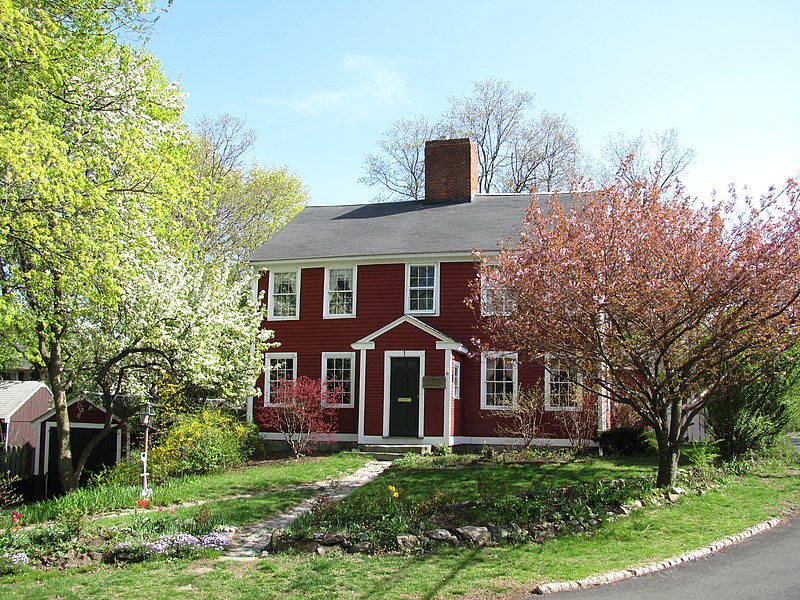
Unlock the Potential of Your Outdoor Space: Residential Landscaping in Burlington, MA
Begin your journey toward a transformed outdoor oasis with our tailored residential landscaping in Burlington MA. Our dedicated team amalgamates creative vision, technical prowess, and an unwavering commitment to excellence to breathe life into your landscape, ensuring it mirrors your unique style while enhancing the allure of your property.
Customized Residential Landscaping Solutions
Throughout the entire process, starting from our initial consultation to the final implementation, we engage in close collaboration with you to fully comprehend your individual requirements and preferences. We carefully assess your property’s layout, architectural characteristics, and natural surroundings to curate a bespoke landscape design that seamlessly integrates with your way of life, enhancing the overall beauty and functionality of your home.
Expertise and Excellence for Residential Landscaping in Burlington, MA
A team’s expertise in residential landscaping encompasses a comprehensive range of services, including lawn care, hardscaping, planting, and outdoor lighting. Utilizing premium materials and sustainable practices, they ensure the longevity and sustainability of your landscape. Whether it’s installing a new patio, rejuvenating your garden, or creating a captivating water feature, they approach each project with meticulous attention to detail and a dedication to exceeding your expectations.
Sustainable Maintenance Solutions
Acknowledging the our leadership in residential landscaping in Burlington, MA, they understand the critical role of consistent maintenance in upholding the charm and vitality of your outdoor area. Our meticulously maintenance plans ensure your landscape maintains its pristine condition throughout the year. From routine mowing and pruning to strategic fertilization and irrigation management, delivering a steadfast is a commitment to environmental sustainability. Also, the meticulous attention to detail, guarantees the longevity and health of your landscape.
Realizing the potential of your outdoor space demands the expertise and dedication of seasoned professionals. With tailored solutions, skilled craftsmanship, and steadfast dedication to exceeding your expectations, turn your outdoor living aspirations into tangible realities. Witness firsthand the transformative impact of professional residential landscaping and elevate the allure of your home’s exterior.

Cost-Effective Pool Repair: Solutions for Every Homeowner
Maintaining a pool brings joy to homeowners, but the upkeep can sometimes strain the budget. However, keeping your pool in top shape doesn’t have to be a financial burden. By implementing smart and cost-effective pool repair solutions, you can ensure your pool remains a source of enjoyment without breaking the bank.
Economical Pool Restoration: Getting the Most Out of Your Repair Budget
Within the domain of pool maintenance, it is imperative to adopt a strategic approach to effectively manage your repair budget. Commence by conducting a meticulous evaluation of the damage, identifying the most critical issues that necessitate immediate attention to uphold the safety and operational functionality of your pool. By strategically prioritizing these urgent repairs, you can ensure the judicious allocation of your repair funds, allowing you to address pivotal concerns while upholding financial prudence.
Investing in DIY solutions can also significantly reduce costs. Many minor pool repairs, such as fixing small leaks or replacing worn-out seals, can be easily tackled with the right tools and knowledge. Online tutorials and guides provide valuable resources for homeowners looking to save money on repairs.
Additionally, incorporating preventive maintenance practices can help mitigate the need for costly repairs down the line. Regularly tending to your pool’s components, including filters and pumps, through cleaning and maintenance routines can significantly prolong their lifespan and minimize the risk of major breakdowns.
Maximizing Value: Cost-Effective Repair Techniques
In terms of maximizing the value of your pool repair efforts, it’s prudent to seek quotes from multiple professionals. This enables you to effectively compare prices and negotiate for the most favorable deal. Prioritize experienced and reputable contractors who offer competitive rates while upholding quality standards, ensuring optimal results for your pool repair endeavors.
Exploring alternative materials and repair methods presents another avenue for cost-effective pool maintenance. For instance, considering options like vinyl pool liners instead of conventional plaster can yield substantial savings both upfront and in long-term maintenance expenses.
By incorporating a combination of DIY solutions, proactive preventive maintenance measures, and careful selection of professional services, homeowners can efficiently navigate pool repairs within their budgetary constraints. Implementing these strategies empowers homeowners to preserve a well-maintained pool without straining their financial resources.
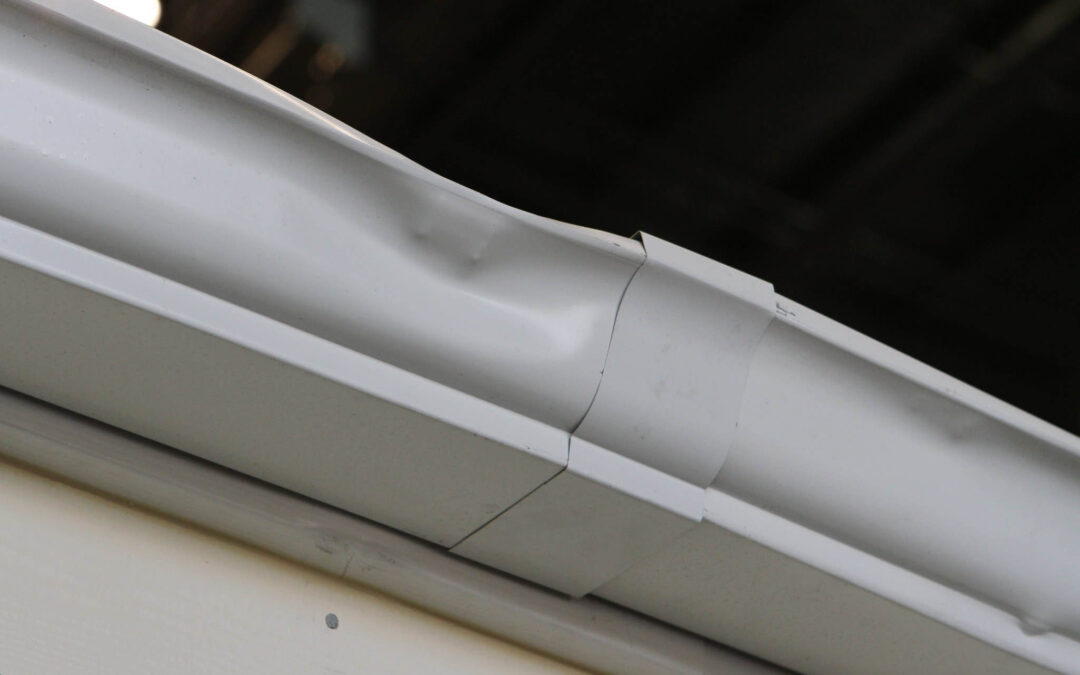
Rain Gutter Installation in Phoenix: A Guide
Shielding your Phoenix property from rain damage necessitates a thorough grasp of the rain gutter installation process. Here, we present an all-encompassing guide that examines the practicality of self-installation and the related expenses. Hoping this may empower you to make well-informed choices in protecting your property.
Can I Install My Own Rain Gutters in Phoenix?
Contemplating a do-it-yourself approach? It’s crucial to recognize the precision and expertise demanded by rain gutter installation. In the absence of the necessary tools and know-how, DIY attempts might lead to expensive errors. Professional assistance in Phoenix not only ensures flawless installation but also offers valuable insights. He will also give advices about the most suitable gutter system for your specific property.
Understanding the Cost of Rain Gutter Installation in Phoenix
The cost of rain gutter installation in Phoenix is subject to multiple variables. This includes the material type, length of the gutter system, and intricacies of the installation process. Seamless aluminum gutters, renowned for their durability and weather resistance, are a popular choice. Additionally, factors such as property size, roof elevation, and customized requirements can significantly impact the overall costs. Despite the initial investment, a well-installed rain gutter system can potentially save you from costly repairs. In addition to that, it can also save you costs from structural damages from water seepage and erosion.
In Phoenix’s erratic climate, a meticulously installed rain gutter system serves as the first line of defense against potential hazards posed by heavy rainfall. Opting for professional installation over a DIY approach is essential in ensuring the long-term protection of your property and mitigating risks associated with subpar installations. Furthermore, understanding the various cost considerations linked to rain gutter installation empowers you to make informed decisions aligned with your budget and property requirements. Invest wisely in your rain gutter system today to preserve the structural integrity of your home for years to come.
Pool Repair Phoenix : Exploring Pool Resurfacing Phoenix Cost
As a pool owner in the vibrant city of Phoenix, you undoubtedly cherish the serene waters of your pool, viewing it as an oasis amidst the desert landscape. Nevertheless, the passage of time can exact its toll on both the appearance and functionality of your pool. This is where the significance of pool resurfacing becomes evident, and comprehending the associated expenses becomes paramount. In the following discourse, we will embark on an exploration of the realm of pool repair in Phoenix, with a primary focus on the financial aspects. Additionally, we will touch upon the crucial roles played by pool deck repair and pool heater repair services in this sun-drenched metropolis.
The Phoenix Pool Resurfacing Necessity
A beautifully resurfaced pool not only enhances the aesthetic appeal of your outdoor space but also prolongs the life of your pool. In Phoenix, where the sun’s rays can be relentless, resurfacing becomes more than just a luxury – it’s a necessity.
Pool resurfacing involves the application of a new finish or plaster to your pool’s interior. Over time, exposure to the sun, chemicals, and regular usage can cause the pool surface to deteriorate. Cracks, stains, and rough patches can become unsightly and even pose safety hazards.
Cost Factors
The cost of pool resurfacing in Phoenix varies depending on several factors:
Pool Size: Naturally, the larger the pool, the higher the cost. The surface area that needs to be resurfaced directly impacts the overall price.
Choice of Material: There are various materials to choose from when resurfacing your pool, such as plaster, pebble, or tiles. Each material comes with its own cost, with pebble finishes typically being on the higher end.
Additional Repairs: If your pool requires extensive repairs beyond resurfacing, such as fixing structural issues or replacing plumbing, these will add to the overall cost.
Labor Costs: Labor costs can vary among contractors. It’s advisable to obtain multiple quotes to ensure you get a competitive rate.
Accessibility: The ease of access to your pool can affect labor costs. If your pool is in a tight or challenging location, expect labor costs to be higher.
Pool Repair Phoenix: Deck and Heater
While pool resurfacing can give your pool’s interior a fresh look, don’t forget about the pool deck and the heater. Your pool deck is not only a functional space but also a visual complement to your pool. Cracked or uneven pool decks can be both unattractive and hazardous. Investing in pool deck repair not only enhances safety but also the overall aesthetics of your pool area.
Additionally, in a city known for its scorching summers, a functioning pool heater is a lifesaver. If your pool heater is acting up, professional pool heater repair services in Phoenix can ensure you’re not left with a frigid pool during the cooler months.
Maintaining your pool’s beauty and functionality in Phoenix requires attention to detail and periodic investments. Understanding the cost factors of pool resurfacing, the importance of pool deck repair, and the need for pool heater repair services can help you make informed decisions to keep your pool a refreshing oasis in the desert heat.
For all your pool repair needs in Phoenix, including resurfacing, deck repair, and heater maintenance, choose experienced professionals who understand the unique challenges posed by the Arizona climate. Your oasis deserves nothing but the best.



Our Latest Posts

Pool Service: The Untold Key to a Crystal-Clear, Hassle-Free Backyard Escape
If you’ve ever looked at your backyard and felt more stress than serenity, your pool service may be the root of the problem. Pools are supposed to be personal paradises—places to cool off, unwind, and entertain—but when they’re cloudy, green, or malfunctioning, they...
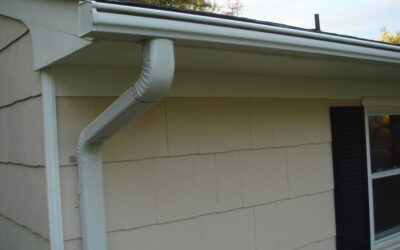
The Importance of Home Gutters: A Comprehensive Guide
Properly functioning home gutters are essential for protecting your property from water damage. While gutters often go unnoticed, their role in directing rainwater away from your home's foundation, walls, and roof is crucial. This article explores the science behind...

Unlock the Potential of Your Outdoor Space: Residential Landscaping in Burlington, MA
Begin your journey toward a transformed outdoor oasis with our tailored residential landscaping in Burlington MA. Our dedicated team amalgamates creative vision, technical prowess, and an unwavering commitment to excellence to breathe life into your landscape,...

Cost-Effective Pool Repair: Solutions for Every Homeowner
Maintaining a pool brings joy to homeowners, but the upkeep can sometimes strain the budget. However, keeping your pool in top shape doesn't have to be a financial burden. By implementing smart and cost-effective pool repair solutions, you can ensure your pool remains...
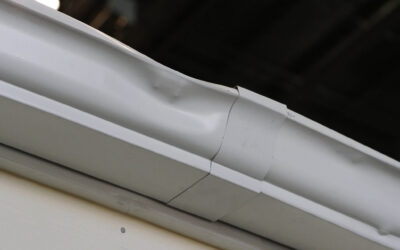
Rain Gutter Installation in Phoenix: A Guide
Shielding your Phoenix property from rain damage necessitates a thorough grasp of the rain gutter installation process. Here, we present an all-encompassing guide that examines the practicality of self-installation and the related expenses. Hoping this may empower you...
Pool Repair Phoenix : Exploring Pool Resurfacing Phoenix Cost
As a pool owner in the vibrant city of Phoenix, you undoubtedly cherish the serene waters of your pool, viewing it as an oasis amidst the desert landscape. Nevertheless, the passage of time can exact its toll on both the appearance and functionality of your pool. This...
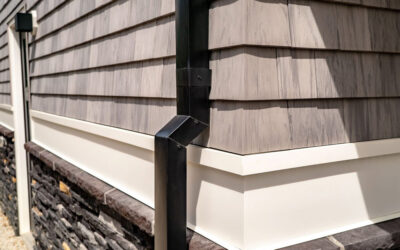
From Drizzles to Downpours: Choosing the Best Rain Gutters for Your Situation
Rain gutters safeguard your home from weather damage by diverting rainfall out of your roof and foundation. Picking sufficient rain gutters, on the other hand, may be problematic. The following piece will guide you through the process of selecting the best gutter...
What Should the Personal Characteristics of an Arborist be?
Arborists are knowledgeable professionals who specialize in the care of trees and plants, dedicated to preserving their health and maintaining their form. Their job is multi-faceted – they can provide everything from pruning and fertilizing services to disease...

AUSTRALIA’S AWESOME BLUE MOUNTAINS
In a recent backpacking excursion throughout Europe, I found myself in an ongoing dialogue with innumerable Australian itinerants. For many years, I considered Australia nearly devoid of culture, music, and history, being that it’s such an infant nation. (And besides,...
SIGN UP FOR OUR NEWSLETTER & KEEP IN THE KNOW!